Eye candy!
Jul. 7th, 2006 10:16 am![[personal profile]](https://www.dreamwidth.org/img/silk/identity/user.png) sabotabby
sabotabbyThe always-awesome ![[livejournal.com profile]](https://www.dreamwidth.org/img/external/lj-userinfo.gif) groovitude guessed, correctly, that I would like the art of Moira Hahn (sheppardzo_14 on LJ).
groovitude guessed, correctly, that I would like the art of Moira Hahn (sheppardzo_14 on LJ).

Um.
Wow.
That is all. I think I could spend hours looking at the pretty.
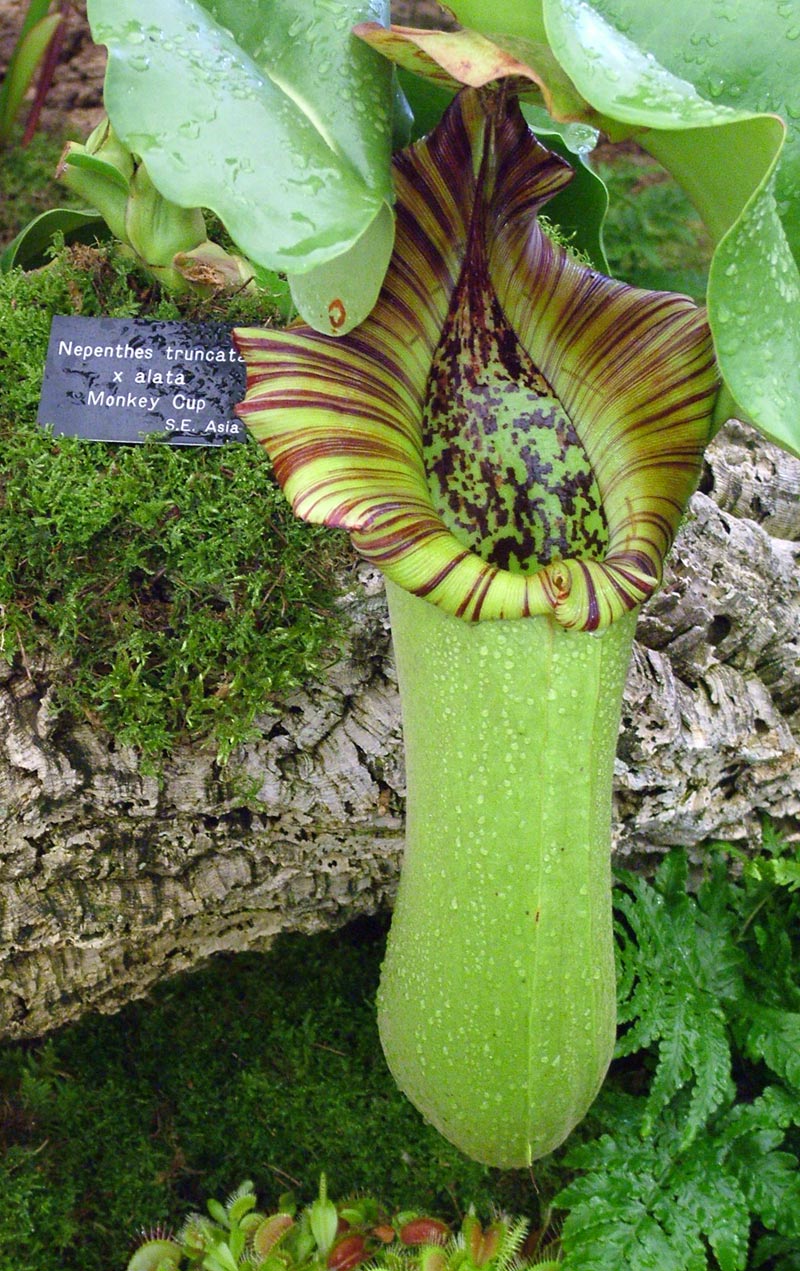
In other news, huzzah! The maggots are gone, including Ken Lay. The next step is to get a carnivorous plant of some sort. We are torn between the the ones that look like condoms and the ones that look like vagina dentatas.
groovitude guessed, correctly, that I would like the art of Moira Hahn (sheppardzo_14 on LJ).Um.
Wow.
That is all. I think I could spend hours looking at the pretty.
In other news, huzzah! The maggots are gone, including Ken Lay. The next step is to get a carnivorous plant of some sort. We are torn between the the ones that look like condoms and the ones that look like vagina dentatas.


![[identity profile]](https://www.dreamwidth.org/img/silk/identity/openid.png)

no subject
Date: 2006-07-07 02:36 pm (UTC)no subject
Date: 2006-07-07 02:44 pm (UTC)no subject
Date: 2006-07-07 02:42 pm (UTC)no subject
Date: 2006-07-07 02:45 pm (UTC)no subject
Date: 2006-07-07 02:51 pm (UTC)In any event, you should get teh condom one.
no subject
Date: 2006-07-07 03:11 pm (UTC)no subject
Date: 2006-07-07 03:28 pm (UTC)no subject
Date: 2006-07-07 03:18 pm (UTC)no subject
Date: 2006-07-07 03:29 pm (UTC)Those might qualify.
no subject
Date: 2006-07-07 03:34 pm (UTC)no subject
Date: 2006-07-07 03:51 pm (UTC)no subject
Date: 2006-07-07 03:22 pm (UTC)no subject
Date: 2006-07-07 03:29 pm (UTC)Things I've learned about carniverous plants
Date: 2006-07-07 03:26 pm (UTC)2) They don't like tap water. You have to feed them filtered water.
3) Some of them don't smell very nice. Apparently the not-so-nice scents attract flies, though.
4) They won't eat maggots. They will, however, eat the things that breed maggots and the things that maggots turn into, besides being cool.
5) Venus Fly Traps, at least, go dormant for a few months of the year, generally if it gets cold. You should keep them in the fridge or freezer when they do, then take them out when the days get longer.
6) Miracle-gro is bad for them.
Re: Things I've learned about carniverous plants
Date: 2006-07-07 03:31 pm (UTC)2) Hmm. We could get a water filter.
3) Maybe we could get a less-smelly one. If not...well, we can burn incense or something.
4) There won't be maggots if they eat all the flies.
5) Weird. But okay.
6) That can just be for the tomatoes, then.
Re: Things I've learned about carniverous plants
Date: 2006-07-07 03:41 pm (UTC)3) Some of them smell quite sweet. So we just need to be careful to get a sweet-smelling one, and not a feet-smelling one.
Re: Things I've learned about carniverous plants
Date: 2006-07-07 03:50 pm (UTC)no subject
Date: 2006-07-07 06:55 pm (UTC)It's Hy-LAR-ious!
http://www.brandonbird.com
no subject
Date: 2006-07-08 02:00 pm (UTC)no subject
Date: 2006-07-07 08:02 pm (UTC)no subject
Date: 2006-07-08 02:00 pm (UTC)no subject
Date: 2006-07-07 08:53 pm (UTC)Please keep us updated on your carnivorous plant. Just don't start pricking your finger to feed it drops of your own blood. It may be tempting, but we know where that can lead.
no subject
Date: 2006-07-08 02:01 pm (UTC)no subject
Date: 2006-07-07 09:00 pm (UTC)no subject
Date: 2006-07-08 02:02 pm (UTC)no subject
Date: 2006-07-08 03:48 pm (UTC)no subject
Date: 2006-07-08 01:19 pm (UTC)If I recall correctly, dentata don't smell, but condoms *do*. Also, dentata are more fun to play with, and to watch; condoms just sit there (admittedly, looking cool) filling up with water and dead insects.**
You *could* get some of *each* – they're not that big.
** Boy that sentence got weird when I substituted the nicknames for "flytrap" and "Pitcher Plant", which is how I originally wrote it. It could have gotten even weirder, but I'm quitting while I can.
no subject
Date: 2006-07-08 02:02 pm (UTC)no subject
Date: 2006-07-08 02:37 pm (UTC)This also of note: "Several species of mosquito larvae complete their larval stage here, exiting to the surrounding moss to live out the pupal stage. A slightly larger inhabitant, the larva of the blowfly, Sarcophaga sarraceniae, spends its larval life deep at the bottom of the tube where it enjoys the decaying parts of the captive prey. When it matures to form the pupal stage, it likewise leaves the pitcher to pupate among the surrounding moss. But as an adult, it returns to the pitcher plant, this time to steal nectar from the flower and at the same time to pollinate it. Small organisms are not the only ones to inhabit these pitchers. Small frogs sit and wait in some species, taking advantage of the flies that are attracted by the odor."
Finally, *this* page is fascinating: http://www.botany.org/carnivorous_plants/
no subject
Date: 2006-07-08 02:38 pm (UTC)